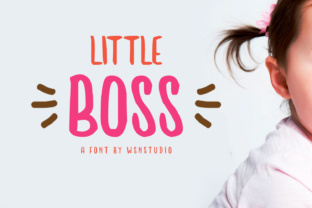
Little Boss: A Bubbly Display Font for Makers and Creative Sellers
As I sat at my desk last week, designing a new set of candle labels for a spring collection, I found myself scrolling through my font library trying to find just the right look. I clicked on Little Boss, and instantly, the screen lit up with charm. The rounded, playful letters gave my label mockup a soft, inviting feel—like a warm hello to anyone picking up the jar.
Little Boss is a display font with a bubbly personality that’s perfect for makers and sellers who want to add a touch of whimsy and approachability to their products. It’s not your standard typeface; it carries a delicate appeal that works beautifully for short phrases, names, titles, and decorative text. Whether you're designing boutique tags, greeting cards, or digital printables, this font brings a unique visual voice to your creative work.
Bringing Little Boss to Life in Real Projects
I recently used Little Boss for a set of personalized birthday invitations. I wanted something that felt handmade and cheerful without looking too childish. The font’s rounded edges and soft curves gave the design a friendly, modern edge. I paired it with a simple sans serif for the body text, which helped balance the playful title and made the layout feel cohesive and easy to read.
Another favorite use of Little Boss has been on printable wall art. For a set of motivational quotes aimed at nurseries and kids’ rooms, the font’s light-hearted vibe was just right. It added a sense of joy and movement to the text, making the words feel more alive. I also noticed that the font scaled well on both digital and printed versions—maintaining clarity and charm even at smaller sizes.
Perfect for Labels, Packaging, and Seasonal Goods
When I began crafting my own line of herbal tea blends, I wanted the packaging to reflect the natural, gentle essence of the product. I used Little Boss for the flavor names on the tea tags and packaging labels. The font’s softness complemented the earthy tones and botanical illustrations, giving the brand a more personable and artisanal feel.
For sticker and label designs, especially those cut by a Cricut or Silhouette machine, Little Boss performed well. Its open spacing and rounded shapes held up nicely at small sizes, and the letters didn’t get lost in the cutting process. I also found it useful for boutique tags and seasonal product labels—especially around the holidays when a bit of cheer in your typography can make a big difference.
How Little Boss Elevates Your Brand
Typography is a powerful tool in product presentation. The right font can elevate your brand, increase perceived quality, and help build customer recognition. Little Boss, with its distinct character, adds emotional appeal to your shop items. Whether it’s on a tote bag, a mug, or a printable planner page, this font helps your work stand out with a sense of personality and care.
Consistency is key when building a brand identity, and using a signature font like Little Boss across your packaging, digital assets, and social media graphics can create a cohesive visual language. I’ve used it in my shop banners, product mockups, and even in preview images for digital downloads. It’s become a part of my brand’s story—soft, creative, and thoughtful.
Design Tips and Font Pairing Ideas
While Little Boss shines as a display font, it’s best used for short bursts of text rather than long paragraphs. Think titles, names, quotes, and decorative phrases. For longer content like product descriptions or body text, pair it with a clean sans serif or a simple serif font to maintain readability and balance.
Here are a few font pairing ideas that work well with Little Boss:
- Montserrat – A modern sans serif that adds structure and contrast.
- Playfair Display – A classic serif for a more elegant, editorial feel.
- Cursive or script font – Adds a personal, handwritten touch when used alongside Little Boss for accents or subheadings.
- Bold display font – Creates a fun, layered effect when used for secondary text or callouts.
What to Look for When Using Little Boss
Before using Little Boss in your commercial projects, always check the font’s licensing terms. Most premium fonts come with a commercial license, but it’s important to confirm that you’re allowed to use it for physical products, digital templates, SVG files, and printables you sell.
Also, take time to explore the font’s full character set. Many display fonts include alternate characters, ligatures, swashes, and multiple weights. These can add variety and customization to your designs. I’ve used alternate uppercase letters in wedding welcome signs to give the text a more unique, hand-crafted look.
If you're designing for international markets or multilingual audiences, check for language support. Some fonts may not include extended Latin characters or support for accented letters, which can be an issue for certain projects.
Final Touch: Let Your Typography Tell a Story
Whether you're creating greeting cards, boutique packaging, or digital downloads, typography plays a big role in how your audience experiences your work. Little Boss is more than just a font—it’s a design asset that brings warmth, charm, and personality to your handmade business. When used thoughtfully, it can help your products stand out in a crowded marketplace and connect more deeply with your customers.